The Benefits of Fitting Energy-Efficient Sliding Doors in Your Home
Energy-efficient sliding doors provide a practical solution for homeowners looking to enhance their living spaces. These doors not only improve insulation but also permit for an wealth of natural light, which can transform the ambiance of any room. Their modern design can corresponding information elevate a home's aesthetic appeal and market value. However, the benefits go beyond aesthetics and comfort, prompting a closer review of their overall impact on home efficiency. What factors should homeowners keep in mind?

How Sliding Doors Fix Power Consumption Problems?
Sliding doors, while aesthetically pleasing, play a vital role in promoting energy efficiency within homes and commercial spaces. Their design allows for ample natural light, limiting the need for artificial lighting during the day. This natural illumination not only enhances interiors but also contributes to lower energy consumption.
In addition, latest sliding doors are regularly equipped with advanced sealing and premium glazing, which minimize air leakage. This prevents drafts and promotes preserving a consistent interior climate, finally reducing heating and cooling costs.
Additionally, the sizable glass panels can be formulated to reflect heat during the summer and maintain warmth in the winter, further aiding in energy savings. By adding sliding doors into their architecture, homeowners and businesses can achieve a symmetry between visual appeal and green practices, creating a more optimized energy footprint while elevating the overall ambiance of their spaces.
Why Sliding Glass Doors Maximize Your Home's Insulation
While many homeowners place emphasis on design, the thermal protection of sliding glass doors are equally important. Eco-friendly sliding doors are designed to lower heat transmission, successfully retaining homes better insulated in winter and cooler in summer. They often boast frames with several chambers and insulated glass, which work together to reduce energy loss.
Moreover, these doors typically arrive with weatherproofing strips that prevents drafts, additionally strengthening thermal efficiency. By establishing a snugger seal, sliding doors help sustaining a consistent indoor climate, reducing the reliance on heating and cooling systems. This not just leads to increased comfort but also supports lower energy bills.
Furthermore, upgraded insulation helps diminish noise pollution from outside, creating a quieter home environment. Overall, the insulating qualities of energy-saving sliding doors offer practical benefits that improve the home's energy efficiency while ensuring a comfortable living space.
Why Sunlight Is Important in Your Home?
Natural light is essential in improving the atmosphere and usability of a home. It creates an inviting atmosphere, causing areas to seem bigger and less confined. The amount of sunlight can also enhance emotional health and happiness, resulting in a more uplifting space. Research shows that access to daylight can improve productivity and focus, making it particularly beneficial in workspaces within the home.
In addition, natural light can cut down on energy consumption by reducing the need for artificial lighting during daylight hours. This not only lowers electricity bills but also reduces the overall environmental impact. Furthermore, homes filled with natural light often look more aesthetically pleasing, highlighting interior design elements more clearly. By using energy-saving sliding doors, homeowners can maximize the entry of natural light while maintaining energy efficiency, ultimately boosting both comfort and visual appeal in their living spaces.
Enhancing Home's Exterior Attractiveness Using Sliding Doors
Installing eco-friendly sliding doors can significantly boost a home's curb appeal, as they unite practicality with modern styling. These doors work as a stunning centerpiece, drawing focus and welcoming passersby to admire the home's visual style. Presented in diverse design selections, eco-friendly sliding doors can enhance different building designs, from contemporary to classic.
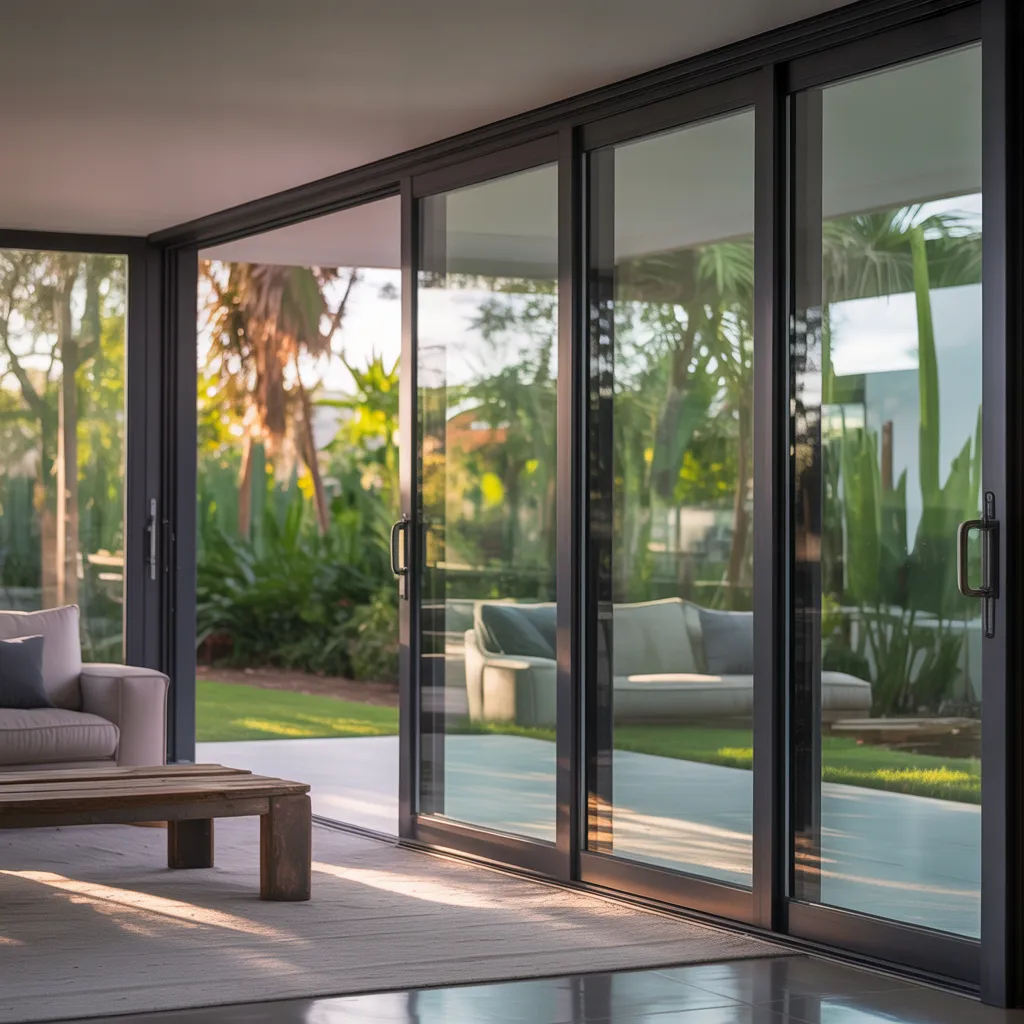
The expansive glass panels enable natural light to flood interior spaces, forming an inviting atmosphere that extends the living area beyond doors. This seamless shift enhances the home's overall magnetism, leaving it feeling larger and more open. Additionally, homeowners can opt for options that reflect their personal style, underscoring their unique identity.
Moreover, the polished contours and uncluttered design of sliding doors deliver a modern aesthetic, making the property more inviting to potential buyers. By investing in sustainable sliding doors, homeowners not only refine aesthetics but also enhance the property's resale value and market competitiveness.
Picking Components for High-Performance Sliding Doors
Finding the correct materials for energy-efficient sliding doors is necessary to maximizing their operation and aesthetic appeal. Standard materials include vinyl, fiberglass, and wood, each presenting unique benefits. Vinyl is famed for its excellent insulation capabilities and low maintenance demands, making it a popular choice. Fiberglass supplies strength and resistance to warping, while also providing good energy efficiency. Wood, though visually beautiful, often demands increased maintenance and may require extra thermal insulation to meet energy standards.
The selection of glazing also serves as a vital factor. Multi-pane glass with low-emissivity treatments can significantly reduce thermal transmission, enhancing energy performance. Additionally, selecting frames with thermal breaks can further enhance insulation. Ultimately, a careful evaluation of material options, paired with energy-efficient features, ensures that sliding door systems not only enhance the residence's aesthetic appeal but also contribute to lower energy costs and increased comfort.
Guide to Installing Eco-friendly Sliding Doors
The installation of energy-efficient sliding doors requires thorough planning and precise execution to ensure maximum performance and longevity. Start by measuring the existing door frame accurately to ascertain a correct fit. Carefully remove the old door, taking care not to damage the surrounding structure. After the area is prepared, position the new sliding door into the frame. It is essential to confirm the door is level and plumb; use shims if adjustments are necessary. Once secured, apply proper insulation around the frame to prevent air leaks. Weather stripping should be installed to improve energy efficiency. Finally, test the door’s operation to verify smooth sliding and secure locking mechanisms. This methodical approach not only improves energy efficiency but also supports the look and functionality of the home.
Top Guidelines for Looking after Sliding Doors
Proper installation of high-efficiency sliding doors establishes the basis for their longevity, but continuous upkeep is equally important to ensure peak performance. Frequent wiping is necessary; tracks should be emptied of dirt and debris to prevent blockage and guarantee smooth operation. Homeowners should inspect the weatherstripping regularly for any signs of deterioration or harm, replacing it as needed to preserve energy efficiency.
Applying a silicone spray to the rollers and tracks can boost operation and decrease wear. It is also advisable to check the doors’ positioning, as misalignment may create gaps, which compromises energy efficiency. Moreover, examining the glass for cracks or breakage will help prevent additional damage and energy loss. By adhering to these best practices, homeowners can extend the life of their sliding doors while maximizing their energy-saving benefits. Regular maintenance not only enhances aesthetics but also adds to overall home comfort.
Frequently Posed Questions
What Do Typical Energy-Efficient Sliding Doors Price?
Typical expenses for energy-saving sliding doors usually range from $800 to $3,000, based on materials, size, and installation. Homeowners should think about ongoing cost benefits on utility expenses when examining their financial commitment in these doors.
How Do Sliding Doors Compare to Traditional Doors in Energy Conservation?
Sliding doors usually supply superior energy efficiency in comparison with traditional doors, largely because of their cutting-edge insulation and sealing technologies. This design decreases air leaks, enhancing thermal performance and reducing heating and cooling costs in homes.
Can Existing Doors be Updated to Achieve Better Energy Efficiency?
Upgrading existing doors for improved energy efficiency is feasible through weatherstripping, incorporating insulation, or fitting energy-efficient glass. These enhancements can strengthen insulation and decrease energy loss, making aging doors highly efficient without complete replacement.
Can Energy-Efficient Sliding Doors Be Eligible for Tax Credits or Cashback?
Energy-efficient sliding doors might be eligible for tax credits or rebates, based on local and federal programs. Homeowners should review specific eligibility requirements and speak to tax professionals to increase potential financial benefits.
What Protection Plans Do Energy-Efficient Sliding Doors Feature?
Various coverage options for energy-efficient sliding doors feature manufacturer warranties, which often protect defects for 10-20 years, and limited lifetime warranties that may protect specific components. Homeowners should review terms to guarantee sufficient coverage against potential problems.